

Relationships Are the ROI: How Connection Drives Business Outcomes
In the traditional leadership model, relationships were nice to have. In the neuroscience-informed model, they are the mechanism through which everything else works. Trust, engagement, psychological safety, discretionary effort, none of these outcomes are achievable without the relational foundation that makes them possible.
Activating the Reward State: The Neuroscience of High-Performance Leadership
The most powerful tool a leader has is not strategy, data, or positional authority. It is their ability to create a neurological environment in which their people can do their best thinking, take meaningful risks, and sustain high performance over time. That environment has a name in neuroscience: the reward state. In business, we call this psychological safety.

Building Authentic Credibility: Why Who You Are Matters More Than What You Know
Leaders are often promoted for what they know. They are trusted, or distrusted, for who they are. Credibility is not granted by title. It is earned through consistent, authentic behavior over time. And in today's neuroscience-informed leadership landscape, we now understand precisely why.
Building Authentic Credibility: Why Who You Are Matters More Than What You Know
Leaders are often promoted for what they know. They are trusted, or distrusted, for who they are. Credibility is not granted by title. It is earned through consistent, authentic behavior over time. And in today's neuroscience-informed leadership landscape, we now understand precisely why.

Self-Awareness: The Single Strongest Predictor of Leadership Success
What separates good leaders from truly exceptional ones? After decades of research, leadership scholars keep arriving at the same answer: self-awareness. A landmark study by Green Peak Partners and Cornell University found that self-awareness is the single strongest predictor of overall leadership effectiveness, outperforming IQ, technical skills, and even emotional intelligence in isolation.

The Neuroscience of Belonging: Why Inclusion Is a Leadership Imperative
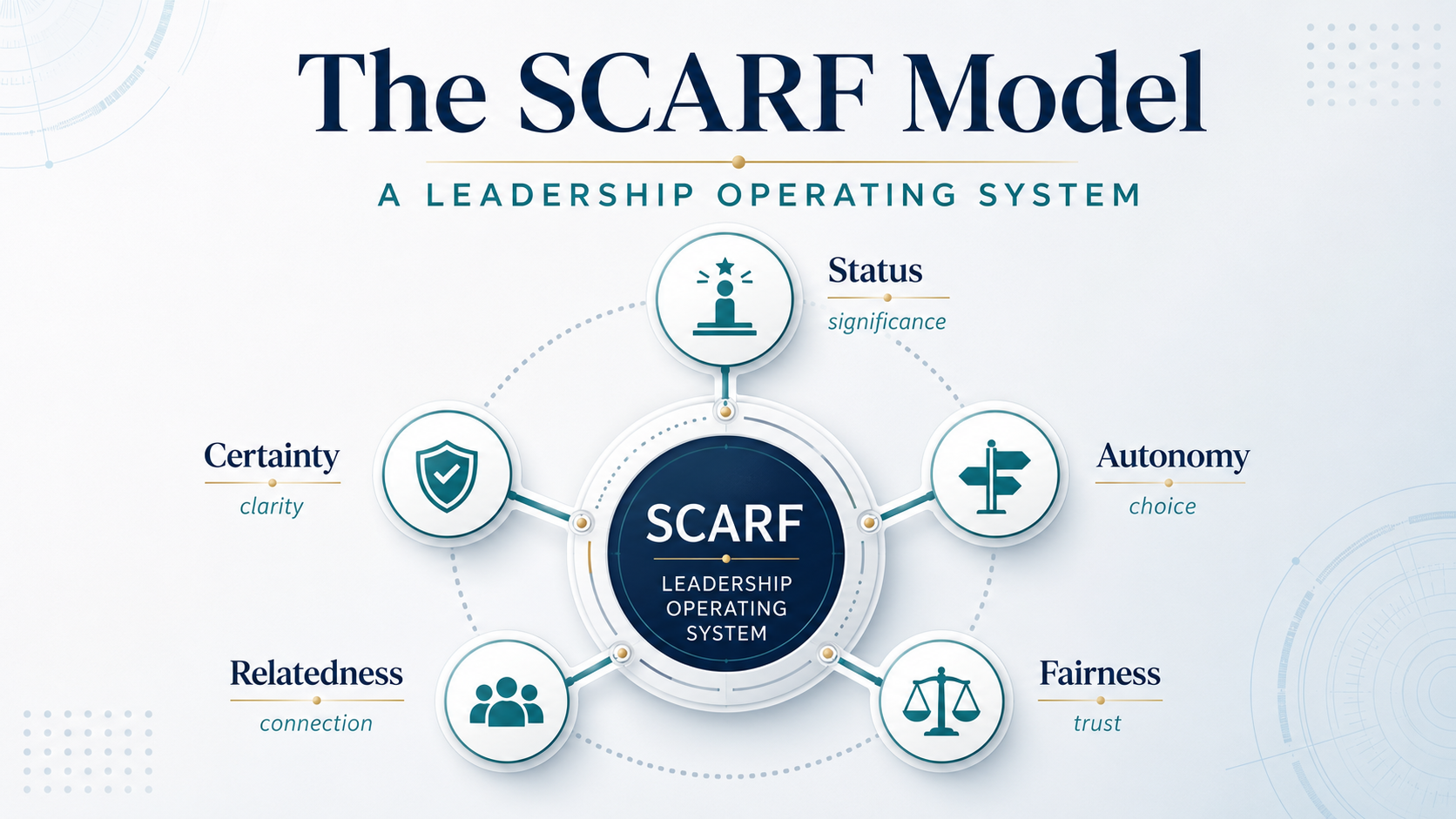
Your brain is a social organ. Long before your team weighs a strategy, prioritizes a deadline, or generates a single creative idea, it asks one fundamental question: Am I safe here? David Rock's SCARF model (Status, Certainty, Autonomy, Relatedness, Fairness) identifies Relatedness as one of the five core social domains that either trigger a threat response or a reward state in the brain. When people feel they belong, when they are seen, valued, and included, the brain shifts into its optimal learning, innovation, and performance mode.

From Fixed to Fluid: How Growth Mindset Transforms Leadership Under Pressure
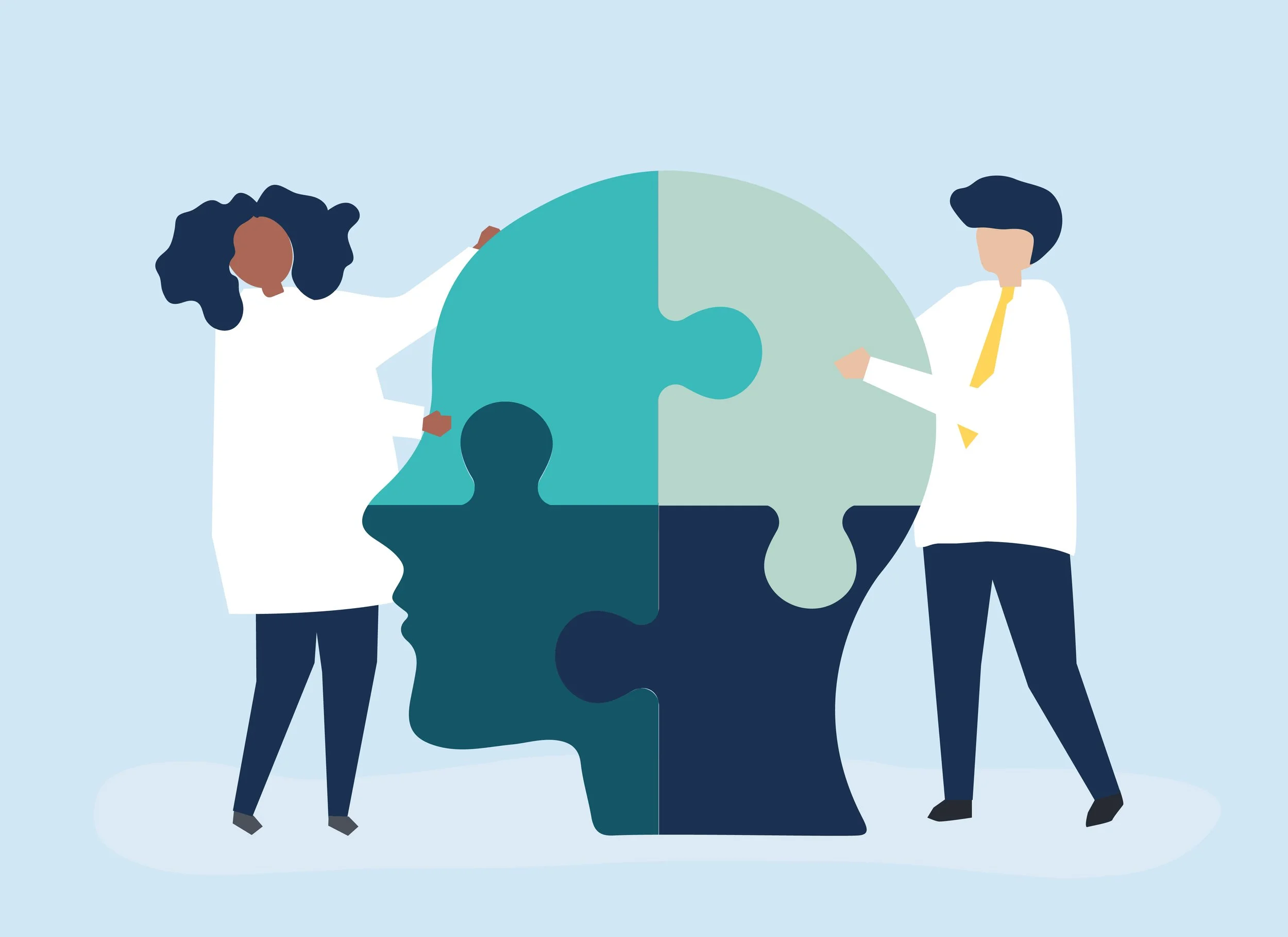
Pressure has a way of revealing what leaders are made of. Not because character is fixed, but because stress exposes our most automatic patterns of thought.
When a project fails, a key client walks, or a high performer resigns, how do you respond? Do you move quickly to analysis and learning? Or do you find yourself proving, protecting, blaming, shaming, or quietly avoiding the discomfort of not having all the answers?
The Neuroscience of Leadership Stress: Why Managing Your Mindset Isn't Optional
What brain science tells us about pressure, performance, and the leaders who thrive.

The culture didn't change. The leader did.
The culture didn't change. The leader did.
A company in transition and a leader stuck in place
When Daniel took over as CEO of a regional logistics company, he inherited a business with good bones and a fractured culture. Previous leadership had run the company through a decade of growth by force: high-pressure, high-reward, low-trust.

The day I stopped pretending I was fine.
She had everything. And she was exhausted.
Mary had spent seventeen years earning the title on her door. VP of Operations at a mid-sized manufacturing firm. Two hundred people reported up through her. Her calendar was a Tetris game of back-to-back obligations. She was, by every external measure, successful.

The Power of the "Micro-Win": Fueling Engagement in Long-Haul Transformations
Leading a complex organizational change can feel like traversing a vast desert. The ultimate destination is clear, but the journey is long, arduous, and often seemingly endless. In such an environment, fatigue is a silent killer of engagement and momentum. Teams can lose sight of the finish line, becoming disheartened by the sheer scale of the task. This is where the strategic power of the "micro-win" comes into play – small, tangible victories that act as crucial oases, replenishing energy and reaffirming progress along the way.

The Full Feeling: Why Processing Emotions Completely Transforms Leadership Effectiveness
There is a distinction that most leadership development programs never make, and it is one of the most consequential distinctions in the entire field of human performance: the difference between knowing an emotion and processing it.

Naming the Storm:Why Knowing Your EmotionsIs the Foundation of Great Leadership
There is a moment most leaders have experienced but few discuss: the meeting where something goes wrong, a piece of criticism lands hard, a trusted colleague publicly contradicts you, a project falls apart in front of the very people you were trying to impress. And, in that moment, something shifts inside you. A tightening in the chest. A flush of heat. A sudden, inexplicable urge to end the meeting, redirect the conversation, or say something sharp.

The Art of Strategic Fluidity: Why Your Change Roadmap Needs a GPS, Not a Fixed Route
In the realm of complex change, we often crave certainty. We meticulously craft detailed roadmaps, set ambitious milestones, and cling to our initial strategies like life rafts in a storm. But what if that very rigidity is holding us back? The truth is, a complex change initiative isn't a linear journey from point A to point B; it's more like navigating uncharted territory with a general direction and a reliable GPS.

Navigating the Human Heart of Change: Why Empathy Isn't a Soft Skill Anymore
We often talk about change in terms of timelines, budgets, and deliverables. But beneath the spreadsheets and project plans lies a pulsing, human core. Every organizational shift, every new strategy, every merger is experienced emotionally by the people living through it. As leaders, our primary mandate during complex change isn't just to manage tasks, but to shepherd hearts and minds. Ignoring this fundamental truth is the fastest way to derail even the most meticulously planned transformation.

A New Year, A Picture of What’s Possible.
Values define how we behave.
A vision defines where we are going.
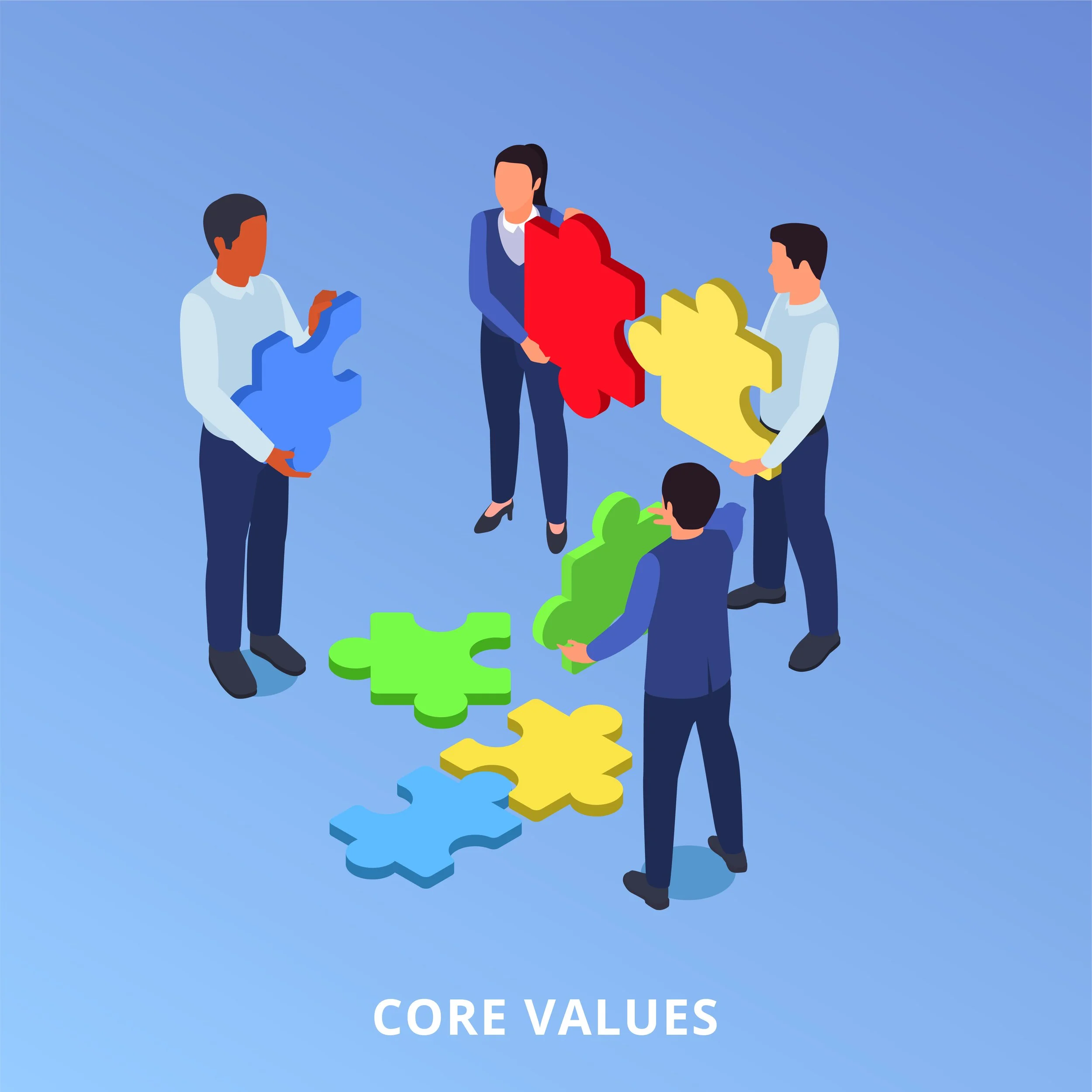
By now, you and your team have done the foundational work—reflecting on individual values, identifying shared commitments, and naming what matters most. This week, we shift from identity to direction.
A New Year, A Commitment to Core Values
Up to this point, the work has been personal. We’ve reflected on individual values and begun conversations as a team. Now, it’s time to shift our focus to the collective.
This week asks an important question: What does this team stand for when no one is watching?
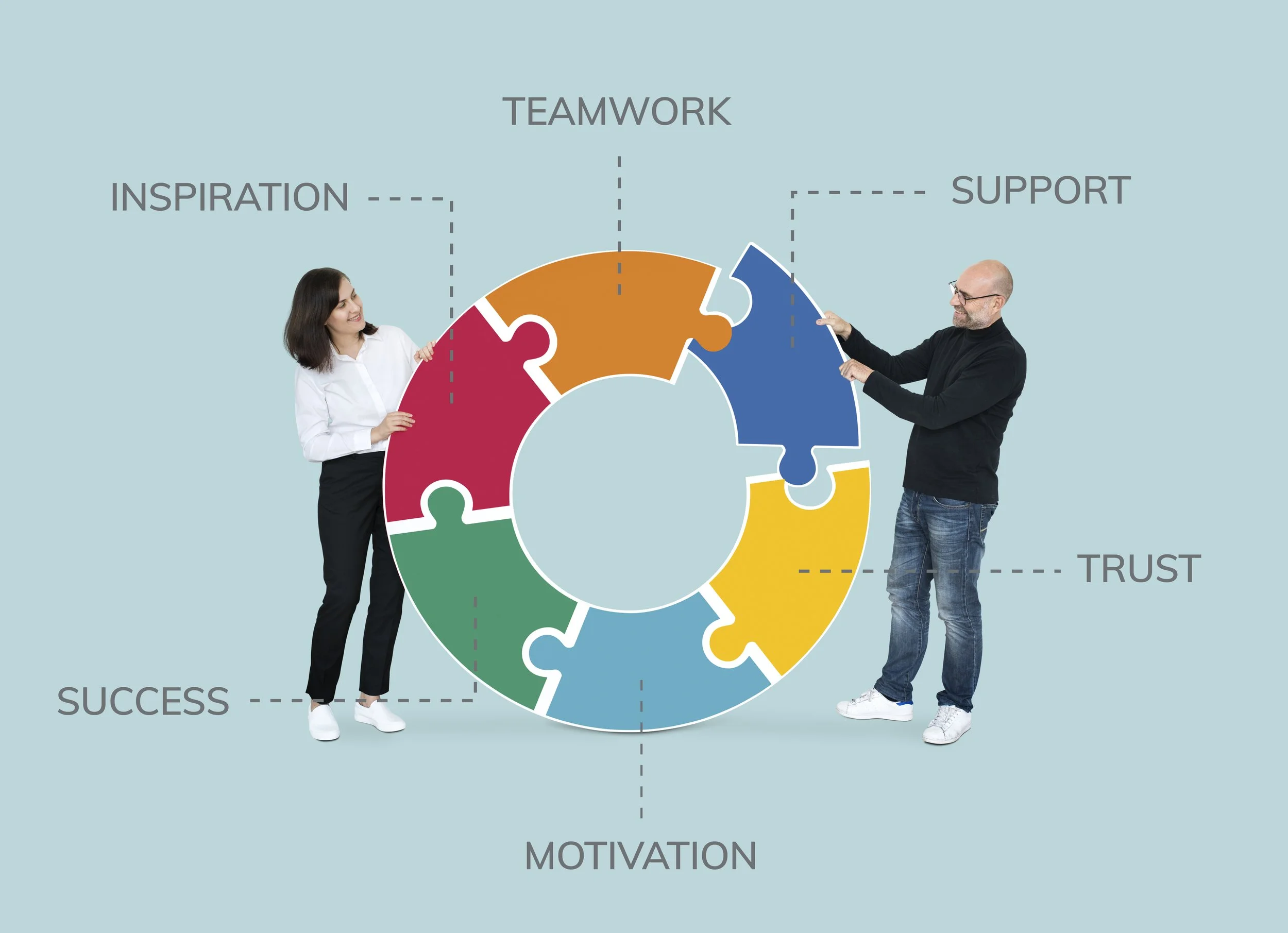
New Year, New Synergy: Re-Aligning Your Team for 2026
Welcome to 2026! A new year isn't just a change of the calendar; it’s the ultimate "reset button" for your team. Whether you are leading a project squad, a department, or a specialized task force, this is the moment to move beyond simply "working together" and start performing as a unified powerhouse.

A New Year, A New Team: Re-Aligning Values, Vision, and Performance
Welcome to 2026! A new year is the perfect opportunity to transition from "working together" to becoming a high-performing team, for a project team, a departmental team, or another type of team/group charter). This 2-month series is designed to help you and your team build a foundational vision from the ground up.

Leading with Light - Cultivating Joy and Connection in Your Leadership
The core of the holiday season is connection, warmth, and a shared sense of joy. Ironically, these very qualities are the foundation of effective, inspiring leadership excellence. December offers a powerful, organic chance to practice these skills, not just at home, but in your professional influence.
How can we translate the spirit of the holidays into tangible, year-round leadership practices? It starts with two key elements: profound appreciation and conscious positive influence.
Let’s Connect.
We'd love to help you reach your personal and professional goals. Contact us today to learn about our proven methods of unlocking your full potential.